Post-Op Care for Dental Implants
What You need to know about Post-Op Care for Dental Implants
What happens before the implant procedure?
Prior to getting started, we will conduct an examination to determine if you have cavities or infections in any of your other teeth or if you have gum disease. If so, these things will need to be treated prior to placing implants. It is critical that you start the process in good oral health. This initial exam and X-rays will also determine if you have sufficient bone density to support dental implants. If you do not, you may need a bone grafting procedure prior to getting started.
Is there anything that can slow down the recovery process?
Yes, if you are a diabetic and have been unable to control your blood sugar, it can make it more difficult to recover from the procedure. This makes it important to let us know if you have had a diabetic episode recently, so we can coordinate the timing of your implant surgery for the best possible results.
How should I prepare for the surgery?
In our Boulder dental office, we encourage patients to place some soft ice packs in the freezer. Using them, along with taking ibuprofen, can help to reduce swelling. You should also buy soft foods to eat and plan on taking a couple of days off work. Your gums will be swollen and sore for a few days, so while you will be able to work, you will not be feeling 100 percent and may have difficulty communicating like normal. If you need to work, ask if you can have light duty for a few days or if you can work from home.
What can I eat afterward?
At PeakView Cosmetic & Implant Dentistry, we recommend you eat soft foods that are not too hot or too cold. For example, you should buy yogurt, soft cheese, ice cream, soup to eat at a warm temperature, and fruit to make smoothies. This way, you can receive the nutrition you need without irritating your gums. You can slowly begin to add normal food back into your diet, but should avoid eating anything hard, sharp, or difficult to chew for several days. For example, eat a hamburger without the bacon or an omelet instead of waffles. During your recovery, you need to make these simple adjustments that allow you to eat what you need without exposing your gums to anything harmful.
Do I need to do anything to treat the site of the surgery or my gums in general?
We will provide you with gauze before you leave our Boulder, CO dental office. It is natural to experience some bleeding. Before you leave, we will ensure that any bleeding is at a manageable level, and by using gauze for the remainder of the day, it should stop. You also need to take steps to keep your gums clean, so we may provide you with a medicated rinse. Otherwise, you can rinse your mouth with warm saltwater throughout the day. You should also brush your remaining teeth, but be careful not to irritate your gums while doing so.
When will it be safe to go back to work?
You can expect to be sore and have swelling for three to five days. This is why we recommend having the procedure toward the end of the week so you can take a couple of days off work and use the weekend to recover. Generally, if you have the procedure on a Thursday, you should feel normal by Tuesday. If you go back to work sooner, be advised that you may not want to schedule any important meetings or client appointments, but stick with light work and email communication.
Will it be obvious that I had implant surgery?
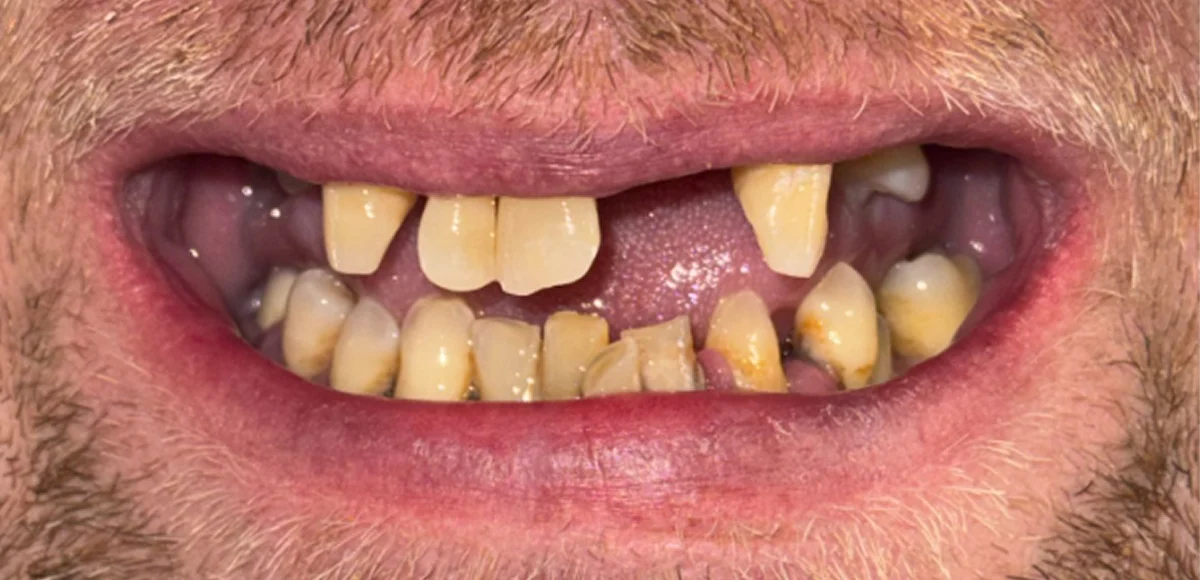
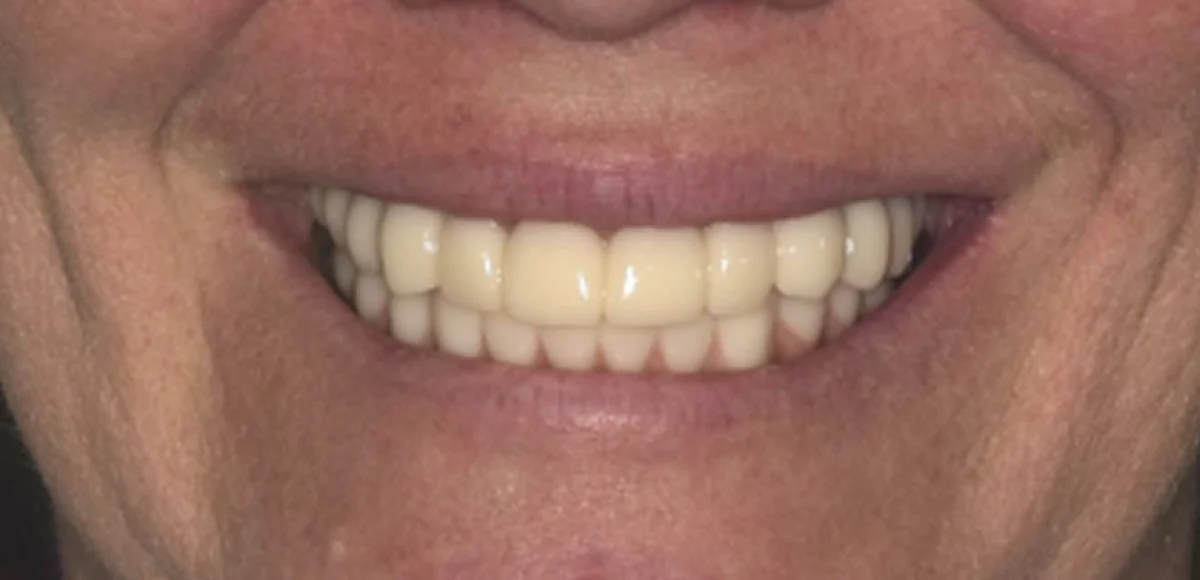
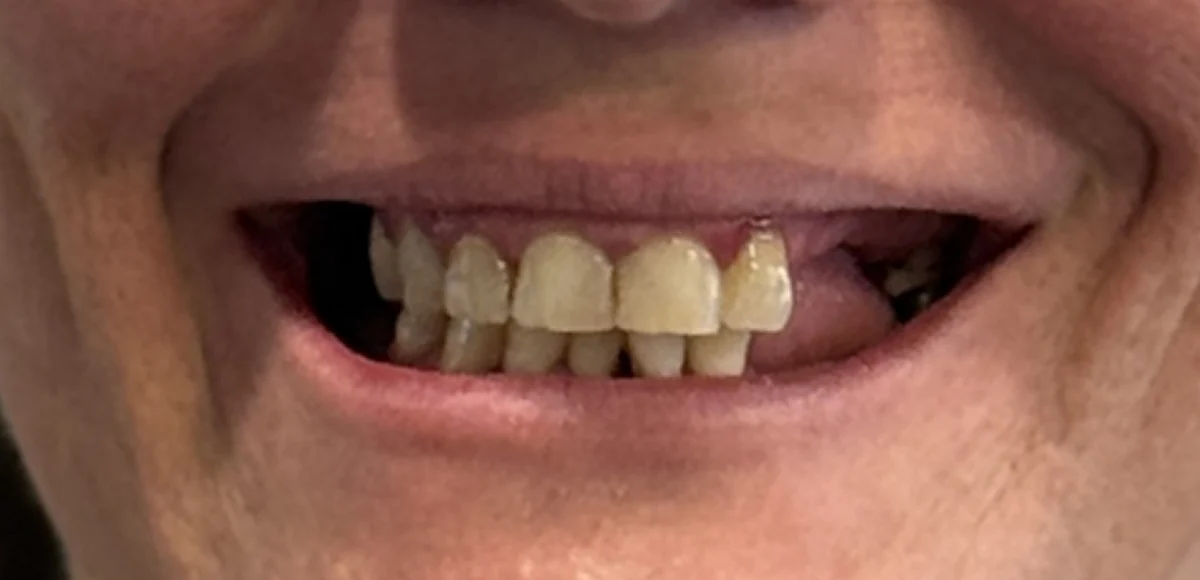
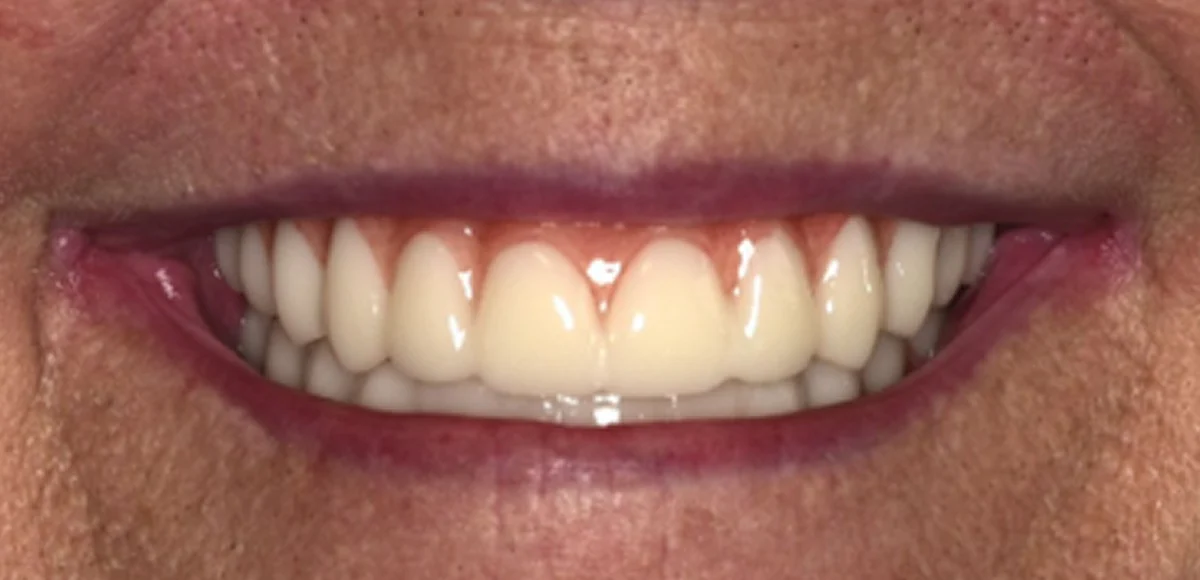
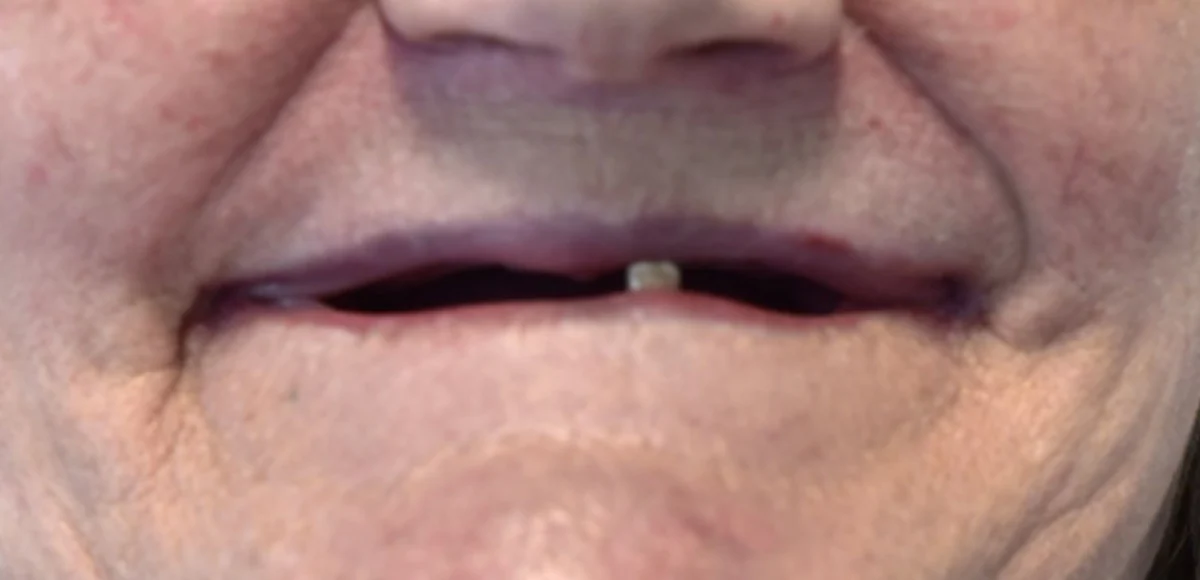
Yes, for the first couple of days, your face will be swollen. While no one will be able to tell what type of oral surgery you had, it will be clear that you had a procedure. Do not worry, this is perfectly normal. While it can be inconvenient for a few days, the end result is worth it because you will have a natural-looking and durable replacement tooth. At PeakView Cosmetic & Implant Dentistry, we also provide our patients with a temporary denture to wear. This will restore the appearance of your smile while you are waiting for the crown to be attached. If you live in the Boulder area and want a discreet solution, wearing a temporary denture is a must.
What is the recovery process like when the tooth is attached?
Once the titanium implant and your jawbone have fused together, your jaw will provide a base of sturdy support for your replacement tooth. Essentially, it will be as strong as a natural tooth would be. Since the invasive portion of the procedure takes place when we surgically implant the post, attaching the crown is not an issue. You may feel some slight sensitivity in your gums, but this will be minor and easy to control with ibuprofen. There will be no swelling or extensive recovery associated with this aspect of the process. You will most likely only need to go through the recovery stage once.
Meet Our Doctors
Discover the passion and commitment that drives our dental team

Dr. Adam Kwiatkowski
Dr. Adam Kwiatkowski is a highly skilled cosmetic and implant dentist, driven by a passion for excellence. He began his journey at the University of Illinois at Chicago College of Dentistry, where he earned several accolades, including the International Congress of Oral Implantologists’ Pre-doctoral Student Achievement Award. His education continued with UIC’s Advanced Predoctoral Implant Program, and he was inducted into the prestigious Omicron Kappa Upsilon National Dental Honor Society.

Dr. Hojun Song
Dr. Hojun Song enjoys all aspects of general dentistry, with a special focus on preventive care and patient education. He believes that helping patients understand their oral health is one of the most important parts of building long-term trust and confidence. Before joining the Peakview Dentistry team, Dr. Song served as a Managing Clinical Director at Aspen Dental in Maine. He gained valuable experience in both patient care and clinical leadership.
Google Reviews
Sandra Singer
Eugene Padilla
Susan Hartman
Nicholas Lothamer
Tragedy
Ken Harp
Jessica Pollard
Donna Romberg
Your Dream Smile is Within Reach!